Built for Ghana
Admissions, WASSCE rules, scholarships and career options are organised around the Ghanaian system.
From WASSCE to university, skills, work and entrepreneurship, see your options clearly and turn them into a path you can actually follow.
Other directories help you find institutions. GhanaPathFinder is designed to help you understand what comes next.
Admissions, WASSCE rules, scholarships and career options are organised around the Ghanaian system.
If one door closes, see realistic alternatives instead of being told your future is over.
We point you back to official institutions and requirements before you make a high-stakes choice.
Connect education to skills, internships, careers, entrepreneurship and the next decision that follows.
GhanaPathFinder connects education, careers, skills, funding and real opportunities so you can move from where you are to where you want to go.
How it works
Start with the career, programme or future you want to reach.
See universities, programmes, costs, skills and alternative pathways together.
Turn your goal into skills, projects and experience you can actually work on.
Save options, track applications and keep moving instead of starting over.
Discover, match, compare and plan — one step at a time.
Grades are one part of the picture. We show direct-entry matches, then help you find alternative routes when a particular grade blocks the first door.
Every accredited university, technical university, college of education and nursing or health training institution recorded in Ghana. Each listing shows the institution itself: its location, ownership, indicative fees, admission aggregate range and flagship programmes, with a link to its official admissions page.
37 Military Nursing and Midwifery Training School
Last verified: August 2026
Abetifi College of Education, Abetifi
Last verified: August 2026
Abetifi Presbyterian College of Education
Last verified: August 2026
Abot College of Health Sciences and Technology
Last verified: August 2026
Academic City University
Modern, startup-oriented campus with hackathon culture and global outlook.
Last verified: September 2026
Accra Business School
Last verified: August 2026
Accra College of Education
Last verified: September 2026
Accra College of Medicine
Last verified: August 2026
Accra Institute of Technology
Last verified: September 2026
Accra Metropolitan University
Last verified: August 2026
Accra Technical University
Practical, workshop-driven learning in the heart of Accra.
Last verified: September 2026
Discover scholarships, grants, and funding opportunities built for your future.
Absa Bank Ghana
Tuition, academic user fees and book allowance
Undergraduate
Announced annually through the bank and partner NGOs
Ghanaian students in accredited public tertiary institutions from low-income households.
Link not verified , confirm with the provider
Academic City University
Partial to full tuition
Undergraduate
Applications reviewed in rounds
Applicants with strong WASSCE results and demonstrated leadership.
Last verified: August 2026
African Leadership Academy
Tuition, accommodation, meals and travel (needs-based)
Pre-university
Applications generally close in the first quarter of the year
African students aged 15-19 with strong leadership, entrepreneurship and academic records.
Link not verified , confirm with the provider
Ashesi University Foundation
Up to 100% tuition, housing and stipend
Undergraduate
Early round November; regular round February
Outstanding WASSCE results (typically aggregate 6–12), demonstrated leadership and verified financial need.
Last verified: August 2026
Ashesi University & Mastercard Foundation
Tuition, accommodation, meals, laptop, books and transition support
Undergraduate
Aligned with the Ashesi admissions cycle (usually January–March)
Young Africans, including Ghanaians, with strong academic promise and demonstrated financial need.
Link not verified , confirm with the provider
UK Government (FCDO)
Tuition, monthly stipend, flights, visa and arrival allowances
Masters
Applications open August and close early November each year
Ghanaian citizens with at least two years (2,800 hours) of work experience who will return to Ghana for two years after study.
Link not verified , confirm with the provider
Ghana Cocoa Board
Tuition and boarding fees
Secondary and Undergraduate
Announced each academic year through district offices
Wards of registered cocoa farmers, and other qualified Ghanaian students in cocoa-growing communities.
Link not verified , confirm with the provider
Commonwealth Scholarship Commission
Tuition, airfare, monthly stipend and thesis grant
Masters
Deadlines vary by UK university, usually between December and March
Ghanaian citizens who have not studied for a year or more in a high-income country and cannot afford UK study.
Link not verified , confirm with the provider
German Academic Exchange Service (DAAD)
Tuition, monthly stipend, health insurance, travel and study allowance
Masters and PhD
Deadlines vary by course, usually between July and October
Ghanaian professionals with at least two years relevant work experience, degree completed within the last six years.
Link not verified , confirm with the provider
UNHCR / German Government
Tuition, accommodation, living allowance, books and transport
Undergraduate
Applications usually open early in the year
Registered refugees or persons of concern living in Ghana, under 28 years at first enrolment.
Link not verified , confirm with the provider
Ghana Education Trust Fund
Tuition and part of accommodation
Undergraduate & Postgraduate
Rolling — advertised in national dailies
Ghanaian students in accredited institutions with a strong academic record and demonstrated financial need.
Last verified: August 2026
Government of Ghana
Full or partial tuition + academic user fees
Undergraduate
Usually announced August – October each year
Ghanaian students with admission to an accredited public university. Priority to needy-but-brilliant applicants and underserved districts.
Link not verified , confirm with the provider
GIMPA
Partial to full tuition
Undergraduate & Postgraduate
Announced each academic year
GIMPA students with excellent academic results.
Last verified: August 2026
GNPC Foundation
Tuition, accommodation, books and stipend depending on award
Undergraduate and Masters
Opens annually, usually mid-year
Ghanaian students admitted to accredited tertiary institutions in Ghana or abroad.
Link not verified , confirm with the provider
KNUST
Tuition support and bursaries
Undergraduate
Announced each academic year
KNUST students with strong academic standing and demonstrated financial need.
Last verified: August 2026
Kosmos Energy
Tuition fees and academic materials
Undergraduate
Announced periodically through community outreach
Ghanaian students from Kosmos operational communities and beyond, admitted to accredited tertiary institutions.
Link not verified , confirm with the provider
Mastercard Foundation
Full tuition, accommodation, books, laptop and stipend
Undergraduate
Typically January – March
Academically talented young Africans from economically disadvantaged backgrounds with a record of giving back.
Last verified: August 2026
MTN Ghana Foundation
Tuition support, books and academic user fees for the academic year
Undergraduate
Usually opens mid-year; check the MTN Foundation portal
Brilliant but financially needy students in an accredited public or private tertiary institution in Ghana; continuing students (level 200 and above) are prioritised.
Link not verified , confirm with the provider
University of Oxford
Course fees and a living stipend
Masters and PhD
January deadline aligned with Oxford graduate admissions
African nationals ordinarily resident in Africa with an offer for an Oxford graduate course.
Link not verified , confirm with the provider
Rotary Foundation
Tuition, travel, living costs (typically from USD 30,000)
Masters
Applications go through local Rotary clubs, usually 6–12 months before study
Ghanaian graduates sponsored by a Rotary club in Ghana, studying in one of Rotary seven areas of focus.
Link not verified , confirm with the provider
Stanbic Bank Ghana
Tuition, accommodation and a book allowance for the full programme
Undergraduate
Typically announced after WASSCE results are released
Ghanaian students with admission into an accredited public university; from a low-income household.
Link not verified , confirm with the provider
Student Loan Trust Fund Ghana
Tuition and living support (repayable)
Tertiary
Opens each academic year
Ghanaian tertiary students with a valid Ghana Card and student ID.
Last verified: August 2026
Telecel Ghana Foundation
Tuition and academic fees; some awards include a study allowance
Undergraduate
Announced annually on the Foundation website
Needy but brilliant Ghanaian students admitted to or studying at an accredited tertiary institution.
Link not verified , confirm with the provider
Tullow Oil
Tuition, flights, living allowance and study materials
Masters
Applications usually open around November each year
Ghanaian professionals with at least two years work experience who intend to return home after study.
Link not verified , confirm with the provider
University of Energy and Natural Resources
Tuition support
Undergraduate
Announced each academic year
UENR students with financial need or strong results.
Last verified: August 2026
University of Health and Allied Sciences
Tuition support
Undergraduate
Announced each academic year
UHAS students with demonstrated financial need.
Last verified: August 2026
University of Ghana
Tuition support and bursaries
Undergraduate & Postgraduate
Announced each semester
Enrolled or admitted UG students with financial need.
Last verified: August 2026
University of Professional Studies, Accra
Tuition support
Undergraduate
Announced each academic year
UPSA students with demonstrated need or strong performance.
Last verified: August 2026
Live, verified numbers counted from real activity. Aggregate only , no student is ever identified.
0
Students with GhanaPathFinder accounts
0
Students actively using GhanaPathFinder
0
Website visits (unique sessions)
0
Recommendation runs
Updated automatically as students use GhanaPathFinder.
Roles, employers and salaries by major.
Planning estimates for 2026 Ghana. Costs vary by neighbourhood, housing type and lifestyle, so use these as a starting point rather than a promise. University tuition is separate and should always be checked against the institution's current fee schedule.
Real companies, real founders and practical lessons from startups and African technology builders, with a strong focus on Ghana.
.jpg)
Founder & President
Built an institution around ethical, entrepreneurial leadership in Africa.

Founder & CEO
Built verification technology around the problem of counterfeit medicine and traceability.

Co-founders
Built a financial platform around the friction of moving money across African borders.

Co-founders
Turned cross-border transfer lessons into a lower-cost domestic payments network.

Co-founder & CEO
Combined connected hardware, digital payments and financing to make useful technology more accessible.

Co-founder
Built a bridge between African software talent and global companies.

Co-founders
Built payment infrastructure that made online payments easier for African businesses.
 Alloysius Attah
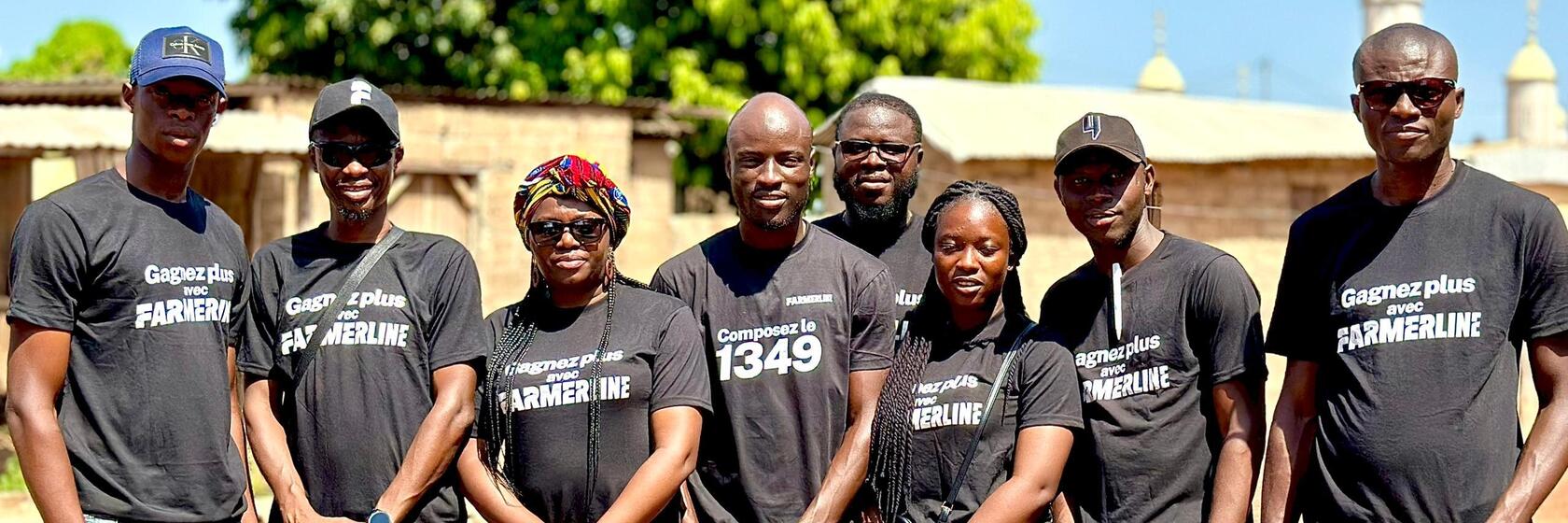 Farmerline outreach team
Co-founders
Used technology to improve farmers' access to information, inputs, finance and markets.
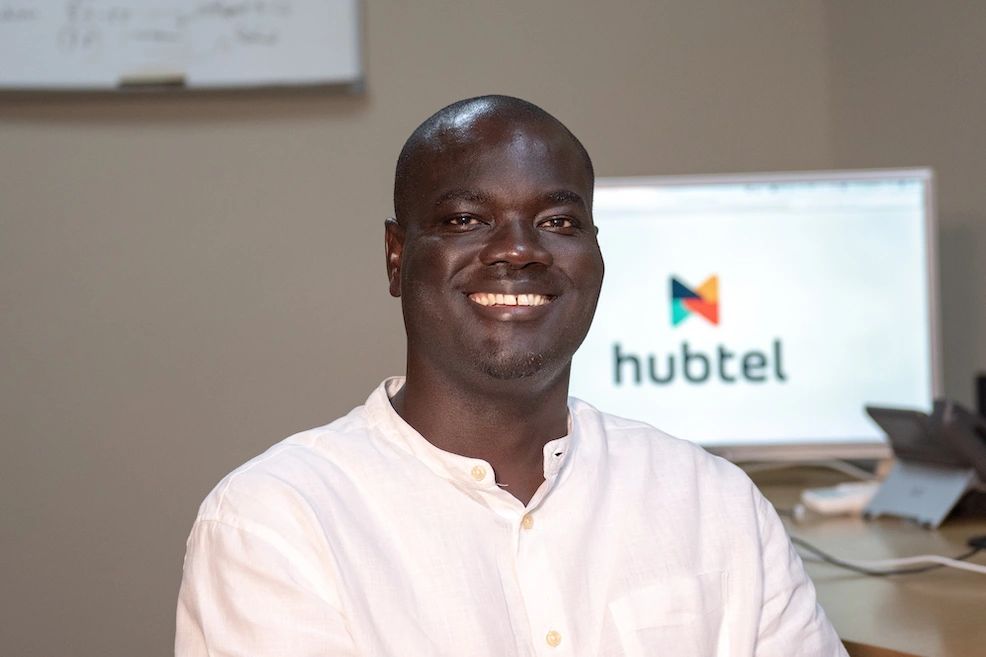
Co-founder & CEO
Started with business messaging and expanded into payments and commerce.

Co-founders
Built technology and operating systems to improve access to reliable and affordable medicines across Africa.

Co-founder & CEO
Built a digital agriculture platform connecting growers, buyers and markets.

Co-founders
Built financial software around cash flow, payments and working capital for SMEs.
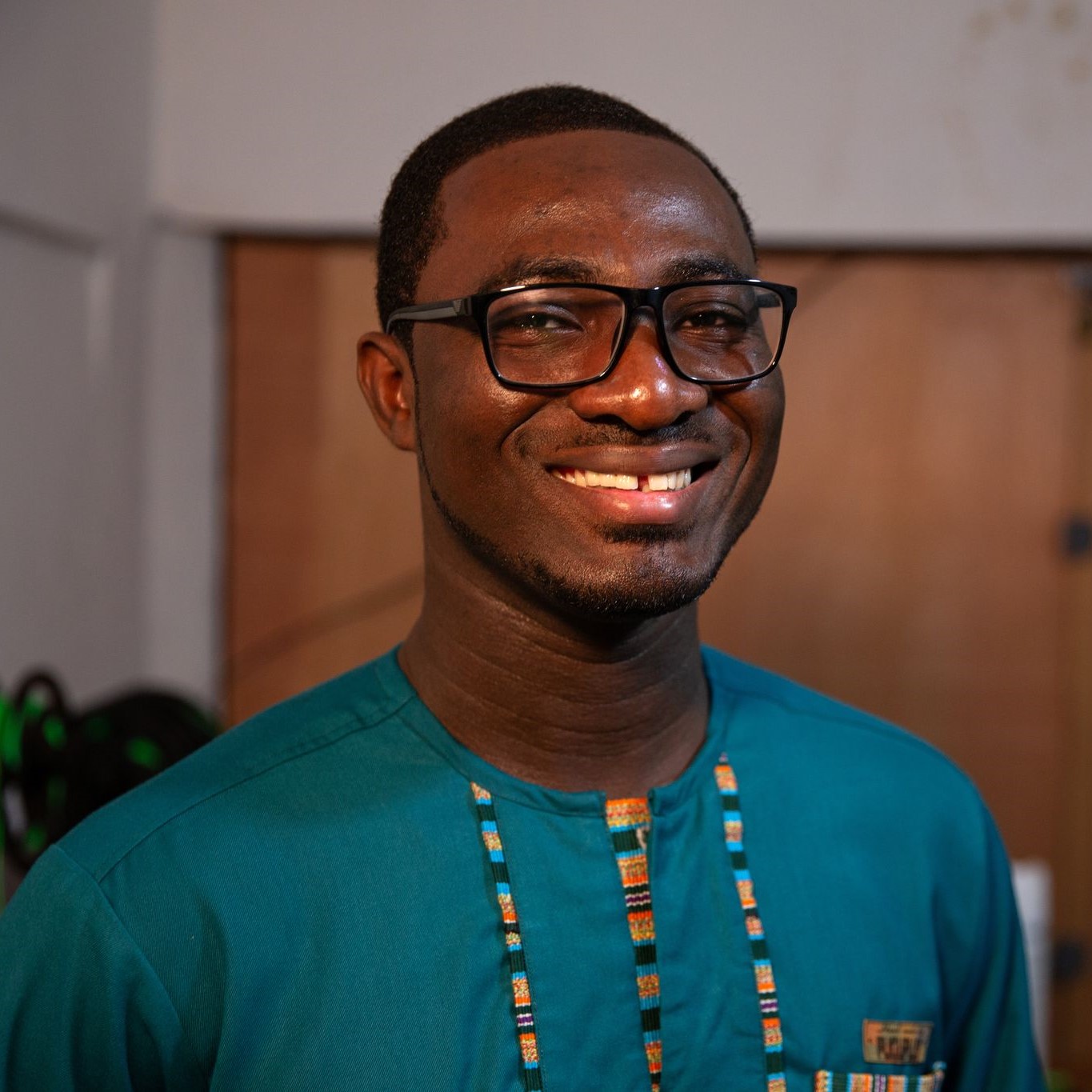
Founder & CEO
Turned engineering research into practical agricultural technology.
Founder & CEO
Built payment infrastructure for businesses operating across fragmented African markets.

Founder & CEO
Built a continent-wide talent ecosystem around practical digital skills and leadership.
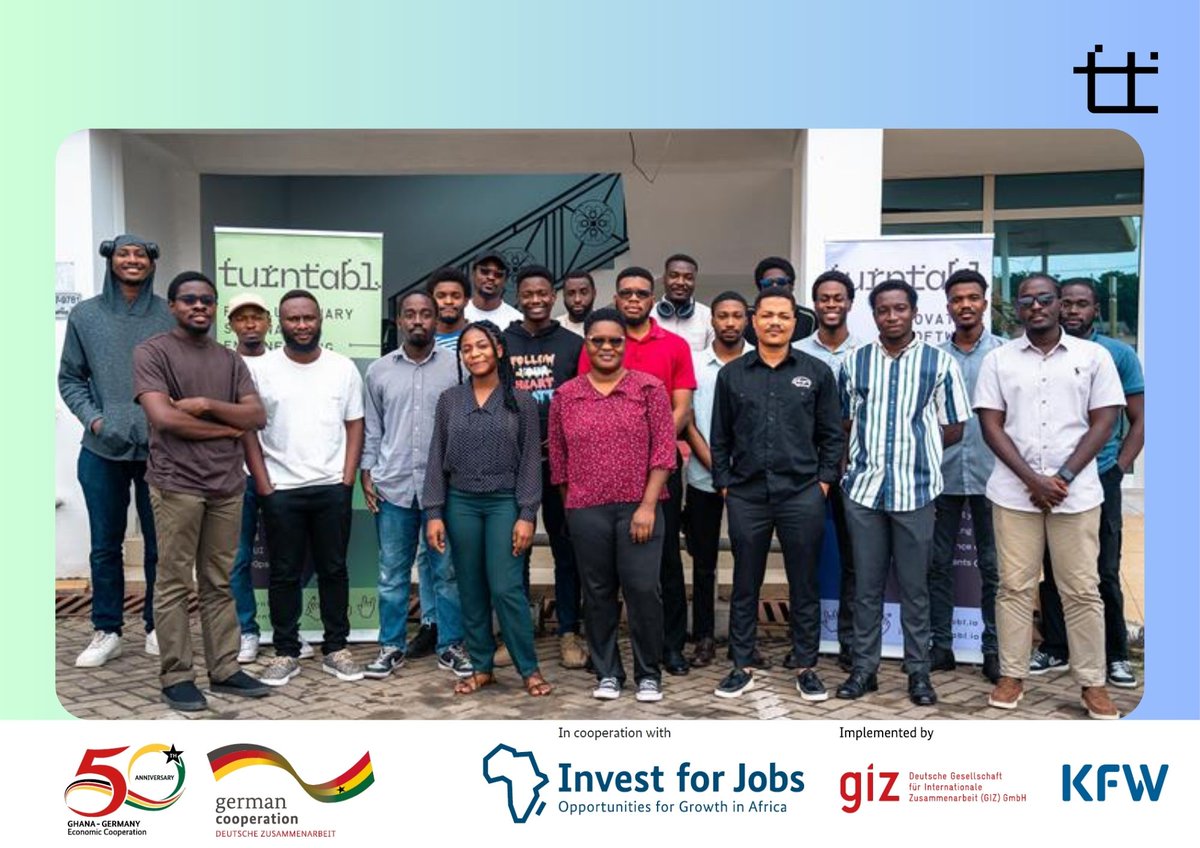
Co-founders
Started by training software engineers in Ghana and grew into a global engineering company.

Founder / Opera-backed team
Built a large-scale mobile payments platform around everyday financial services.

Chief Executive Officer
Leads Telecel Ghana as it expands connectivity, digital services and financial inclusion.


Founder & Group Managing Director / CEO
Founded Interswitch to solve payment infrastructure problems in Nigeria and grew it into a major African payments company.


Co-founders & former CEOs
Co-founded Jumia to build a large-scale online marketplace and digital commerce platform for African consumers and businesses.
There is no magic number of hours or guaranteed four-year launch. Build around school or work, then increase intensity when the evidence says the idea deserves it.
Consistency beats heroic bursts. For a student, 8–15 serious hours each week is already meaningful. During exams, it can drop. During a focused build sprint, it can rise. The important metric is useful output over months, not exhaustion in a weekend.

Think in decades
Peter Thiel is a useful case study in long-horizon company building. Learn from the principle, not the personality.
Photo: David Orban, CC BY 2.0.svg)


.svg)